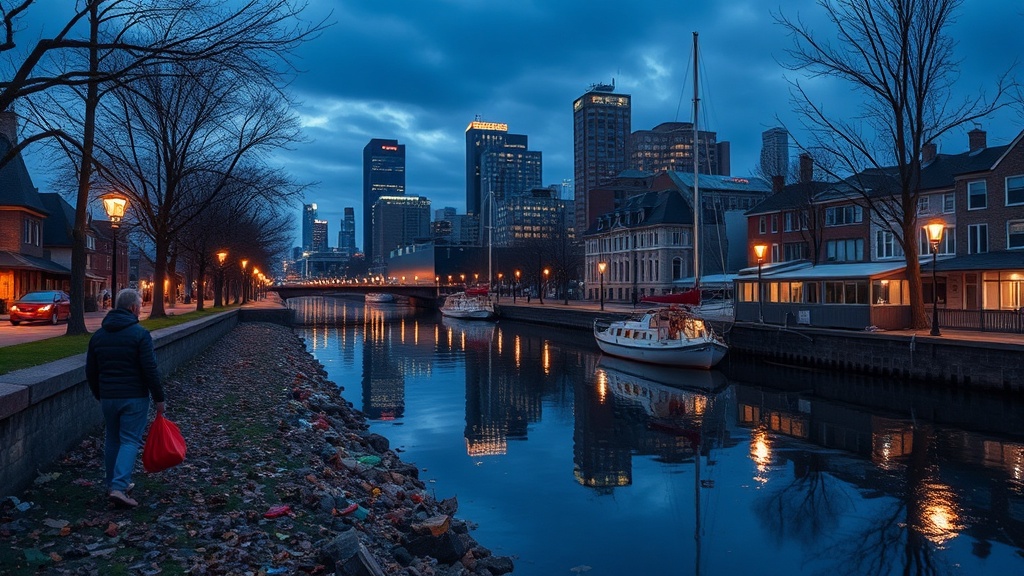
Organizing a Neighborhood Cleanup Along the Rideau Canal in North America

Imagine walking your dog near the locks on a crisp Saturday morning, only to find a cluster of plastic bottles or discarded coffee cups caught in the shrubbery near the Rideau Canal pathways. It's a common sight that many of us see far too often in our corner of North America. While we love our local green spaces, maintaining them requires more than just appreciation; it takes direct action. This guide covers how to organize a grassroots community cleanup to keep our shared spaces clean and vibrant.
Organizing a cleanup isn't just about picking up litter; it's about building a stronger sense of connection within our local neighborhood. When we gather to care for the Rideau Canal, we're essentially investing in the long-term health of our local environment. Whether you're looking to improve a specific stretch near the Glebe or a section closer to the locks, the process is remarkably straightforward if you have a plan.
How do I find volunteers for a Rideau Canal cleanup?
The first hurdle is often just getting people to show up. Most people want to help, but they need a nudge. Instead of a generic post, try being specific about your location. If you're targeting the area near the Colonel By Drive intersection, mention that. People are more likely to join if they feel a sense of ownership over a specific piece of the Rideau Canal. You can use local community Facebook groups or even physical flyers posted at local community centers to spread the word.
Don't underestimate the power of a local neighborhood association. If you're planning this in the Glebe or the Centretown area, reaching out to local community associations can give your event instant credibility. We've seen that when a project feels like a community-led initiative rather than a random person's hobby, the turnout increases significantly. Even if only five people show up, that's five more people who are now more invested in the upkeep of the Rideau Canal.
What supplies do we need for a successful cleanup?
You don't need a massive budget to make a difference in our North America community. Most of what you need can be sourced through donations or simple purchases. Here is a basic checklist of what we recommend gathering before you head out to the canal:
- Heavy-duty trash bags: Get the thick, black ones—they handle wet debris much better.
- Work gloves: A pair of sturdy, reusable gloves is much better for the environment than disposable ones.
- Litter grabbers: These are a lifesaver for reaching into thorny bushes or awkward corners along the water.
- Hand sanitizer and soap: Essential for the end of the session.
- First aid kit: Always a smart move when working outdoors.
If you're looking for professional-grade tools, check with your local municipal service website. The City of Ottawa website often has information regarding waste disposal and might even provide guidance on where to drop off the collected bags after your event. It's also worth noting that the Parks Canada site provides insights into the protected areas of the Rideau Canal, which is helpful if you're working near sensitive heritage sites.
Where is the best place to dispose of collected waste?
This is the part most people forget. You can't just leave a pile of heavy bags on the side of the path near the Rideau Canal and expect them to disappear. Before you announce your cleanup date, call your local municipal office to ask about large-scale waste pickup or if there are specific collection points for community events. In our part of North America, the rules for waste disposal can be quite specific depending on whether you are on municipal land or federal parkland.
If you're planning a large event, it's a good idea to coordinate with local businesses as well. Sometimes, a local shop might be willing to provide a bin or even a small amount of support for the project. This strengthens the bond between the businesses that line our streets and the people who live here. A successful cleanup isn't just about the trash removed; it's about the relationships built between neighbors who care about the same stretch of the Rideau Canal.
Organizing a small-scale vs. large-scale event
A small-scale event might just be you and two neighbors with some gloves and a few bags. This is perfect for a quick, low-pressure way to keep a specific corner of the Rideau Canal tidy. A large-scale event, however, involves more logistics—permits, signage, and perhaps even a small budget for refreshments. For larger gatherings, you'll want to ensure you've checked the local regulations to ensure you aren't accidentally violating any park rules or municipal bylaws.
We've found that starting small is the best way to build momentum. Once your small group has successfully cleaned up a section of the canal, share the results! Post a "before and after" photo on your local social media pages. Seeing the tangible difference a few hours of work can make is incredibly motivating. It shows the community that the Rideau Canal is something we can—and should—protect together. This kind of visibility is what turns a one-time cleanup into an annual community tradition in our North America neighborhoods.